Comfort cooling vs. air conditioning
The benefits of comfort cooling vs. air conditioning: why modern homes are making the smarter choice.

As summers in the UK continue to become warmer, homeowners are increasingly looking for ways to stay comfortable throughout the year. For many, air conditioning may seem like the obvious answer. However, modern homes are increasingly embracing a more efficient and sustainable alternative: comfort cooling.
While both systems help regulate indoor temperatures, comfort cooling has been designed specifically for today's energy-efficient homes, offering a gentler, lower-carbon approach to maintaining a pleasant living environment.
Moving beyond traditional air conditioning
Air conditioning systems are designed to reduce room temperatures quickly and significantly. They can be highly effective in very hot climates or older buildings that struggle to manage heat.
However, this level of cooling often comes with higher energy consumption, more visible equipment and a noticeable contrast between indoor and outdoor temperatures. Many people are familiar with stepping into an air-conditioned space that feels almost too cold compared to the weather outside.
For modern homes designed around energy efficiency, this level of mechanical cooling is often unnecessary.
What is comfort cooling?
Comfort cooling or passive cooling as it is sometimes known, takes a different approach.
Rather than creating an artificially cold environment, it works to gently regulate indoor temperatures, helping to prevent homes from becoming too warm while maintaining a consistently comfortable atmosphere.
Often integrated with low-carbon heating technologies such as air source heat pumps, comfort cooling provides a year-round climate solution from a single system. The result is a home that remains comfortable during warmer weather without the need for intensive cooling.
The focus is simple: comfort, not cold.
Why comfort cooling is better suited to modern homes
Today's homes are built to much higher standards of insulation and energy performance than older properties. High-quality construction, improved ventilation and greater airtightness all help maintain stable indoor temperatures naturally.
Because these homes are already designed to reduce heat loss and minimise temperature fluctuations, they do not require the same level of cooling demand associated with traditional air conditioning systems.
Comfort cooling works with the home's fabric and design, providing precisely the level of cooling needed to maintain comfort while using energy more efficiently.
Greater energy efficiency
One of the biggest advantages of comfort cooling is its efficiency.
Traditional air conditioning systems rely on energy-intensive cooling processes to rapidly lower temperatures. Comfort cooling, by contrast, provides a more moderate and measured response, helping reduce energy consumption while still delivering a pleasant indoor environment.
For homeowners, this can mean:
Lower energy use
Lower running costs
Reduced demand on the home's energy systems
More efficient year-round temperature control
In a world where energy costs and sustainability are growing priorities, this is a significant benefit.
A more sustainable way to stay comfortable
Sustainability is at the heart of modern home design, and comfort cooling aligns perfectly with that vision.
By working alongside low-carbon technologies already installed within the home, comfort cooling can help reduce overall carbon emissions compared with traditional cooling systems. It offers a practical way to enjoy comfortable temperatures while supporting a more sustainable lifestyle.
For environmentally conscious homeowners, comfort cooling provides reassurance that comfort doesn't have to come at the expense of energy efficiency.
Comfort that's more natural
When people think about cooling their homes, they often assume colder is better. In reality, most people simply want a home that feels comfortable.
Comfort cooling is designed to avoid dramatic temperature swings, over-cooled rooms and the blast of cold air often associated with air conditioning. Instead, it maintains a stable indoor environment that feels more natural and balanced throughout the day.
Whether you're working from home, spending time with family or getting a good night's sleep, this consistent approach to temperature control can make everyday living more enjoyable.
Quiet, seamless and unobtrusive
Another advantage of comfort cooling is how easily it integrates into modern homes.
Unlike traditional air conditioning, which often requires visible wall-mounted units and additional equipment, comfort cooling is commonly incorporated into the home's wider heating and energy system. This creates a cleaner aesthetic, reduces visual clutter and provides a more seamless user experience.
It also operates quietly, helping maintain the calm and tranquillity homeowners value.
Comfort cooling at Welborne Garden Village
The comfort cooling and heating systems in our Welborne homes are powered by an innovative ground source heat pump network that draws renewable energy from a specially designed water reservoir at the heart of the community.
Unlike traditional heating systems that rely on fossil fuels, this technology uses the naturally stable temperature of water stored within the reservoir to provide energy-efficient heating in winter and gentle cooling in summer. Heat pumps transfer thermal energy from the water network into your home when warmth is needed and can reverse the process during warmer weather to help keep internal temperatures comfortable.
The result is a low-carbon, future-focused energy solution that works quietly in the background, helping homeowners enjoy year-round comfort whilst reducing reliance on conventional heating and cooling systems.
How to use your comfort cooling
Every home at Welborne benefits from built-in comfort cooling, helping you stay comfortable during warmer weather without the need for portable fans or traditional air conditioning units.
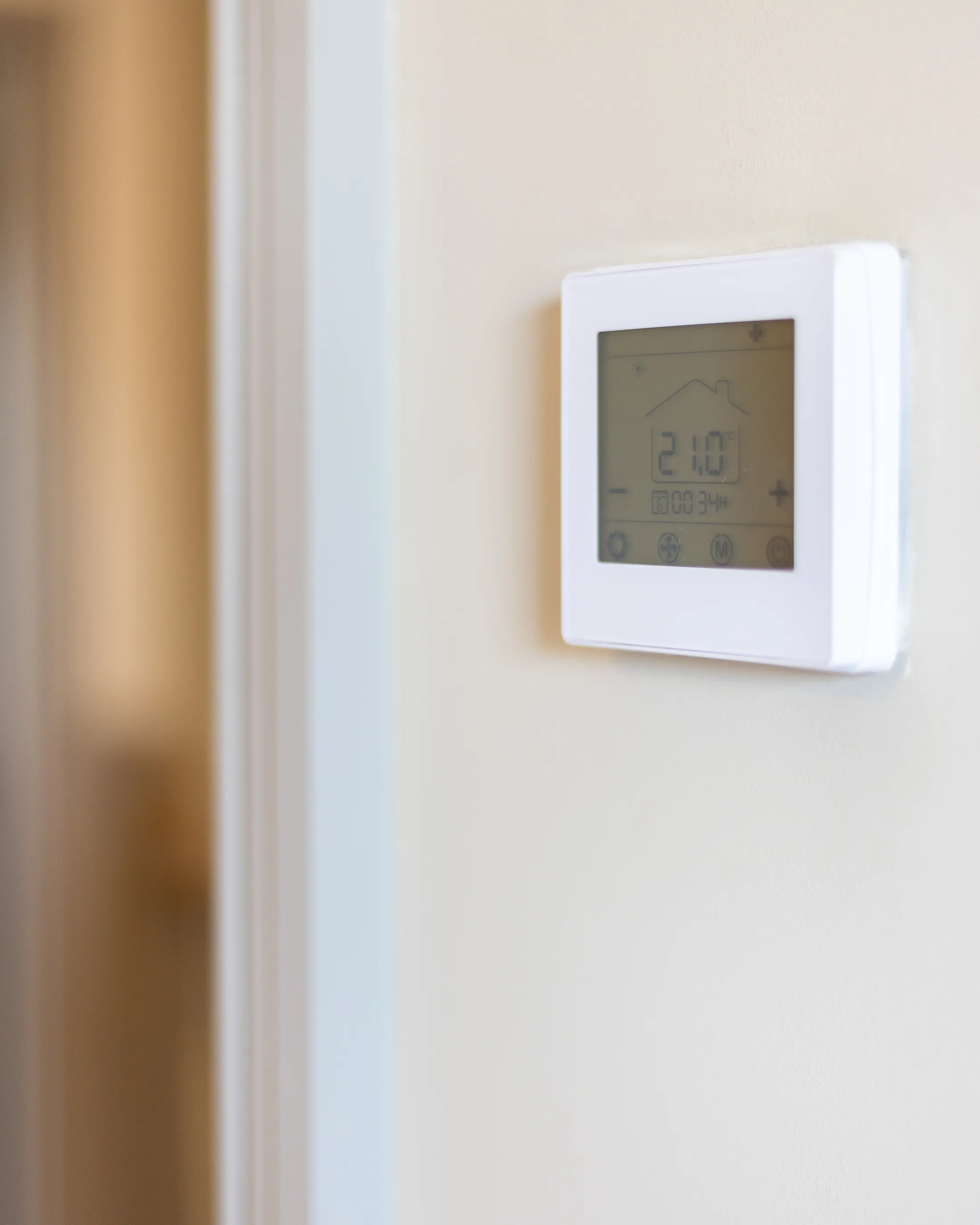
When outdoor temperatures rise, simply switch your system to cooling mode and allow it to regulate the temperature within your home. For the best performance, keep windows and external doors closed while the system is operating. The technology is designed to provide a gentle, consistent cooling effect, creating a more comfortable indoor environment, particularly in bedrooms where a cooler temperature can help promote a better night's sleep.
Because the system forms part of your home's integrated energy network, there's no bulky equipment, excessive noise or intrusive units to manage. Instead, comfort cooling is built seamlessly into your home, delivering an effortless way to stay comfortable throughout the summer months.
Book your appointment today and discover the difference for yourself.

Our latest posts


Stay connected. Sign up to our newsletter