What no one tells you about moving into a new home
And why, with the right foundations, it becomes everything you hoped for.

Moving into a brand-new home is often imagined as a perfect moment - a fresh beginning, a place untouched, and a space ready for your future.
We know that feeling well. But we also understand that the reality goes a little deeper.
Here’s what you can expect when you move in and how to make the experience feel effortless from the start.
It doesn’t feel like home… straight away
Even in the most beautifully finished home, the first few days can feel unfamiliar.
The light falls differently. The rooms feel quieter. The layout takes time to learn.
This is completely natural - a home is created gradually, not instantly.
A few simple ways to settle in faster
Unpack the spaces you use daily first - bedroom, kitchen, bathroom
Bring in familiar touches early (your favourite mug, throws, photos)
Keep small routines the same (morning coffee, evening wind-down)
These small details help create a sense of comfort more quickly, even while everything else is still taking shape.

The “finishing touches” take time
It’s easy to expect everything to come together straight away - but the reality is more considered.
You’ll live in the space before truly understanding how you want it to work.
You might:
Reposition furniture
Rethink layouts
Take time choosing the right finishing pieces
Practical tip:
Hold back on major purchases or design decisions for a few weeks. Living in the space first often leads to better, longer-lasting choices.
Our homes are designed to evolve with you - flexible spaces that allow you to make them your own over time.
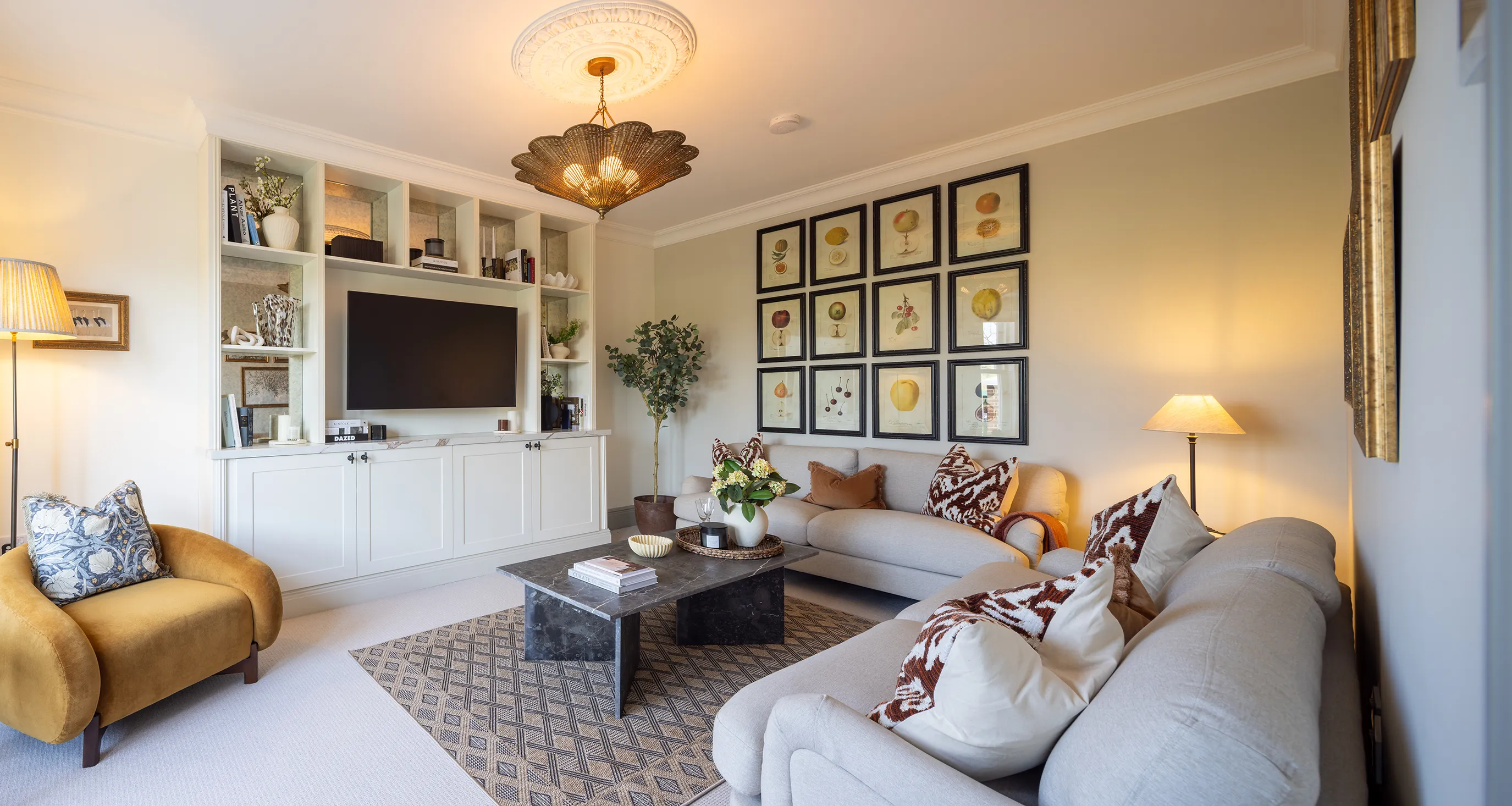
Even a new home needs time to settle
A brand-new home has never been lived in - and like anything newly built, it will naturally settle.
You may notice:
Small cracks as materials dry
Minor adjustments needed to doors or windows
Cosmetic details that require refinement
These are known as snagging items and are completely typical in new homes.
What to do:
Keep a simple list of anything you notice
Report it early so it can be resolved efficiently
Don’t be alarmed by minor changes - they are expected
Our homes are built with care and supported after you move in, so you can feel confident these details will be addressed.
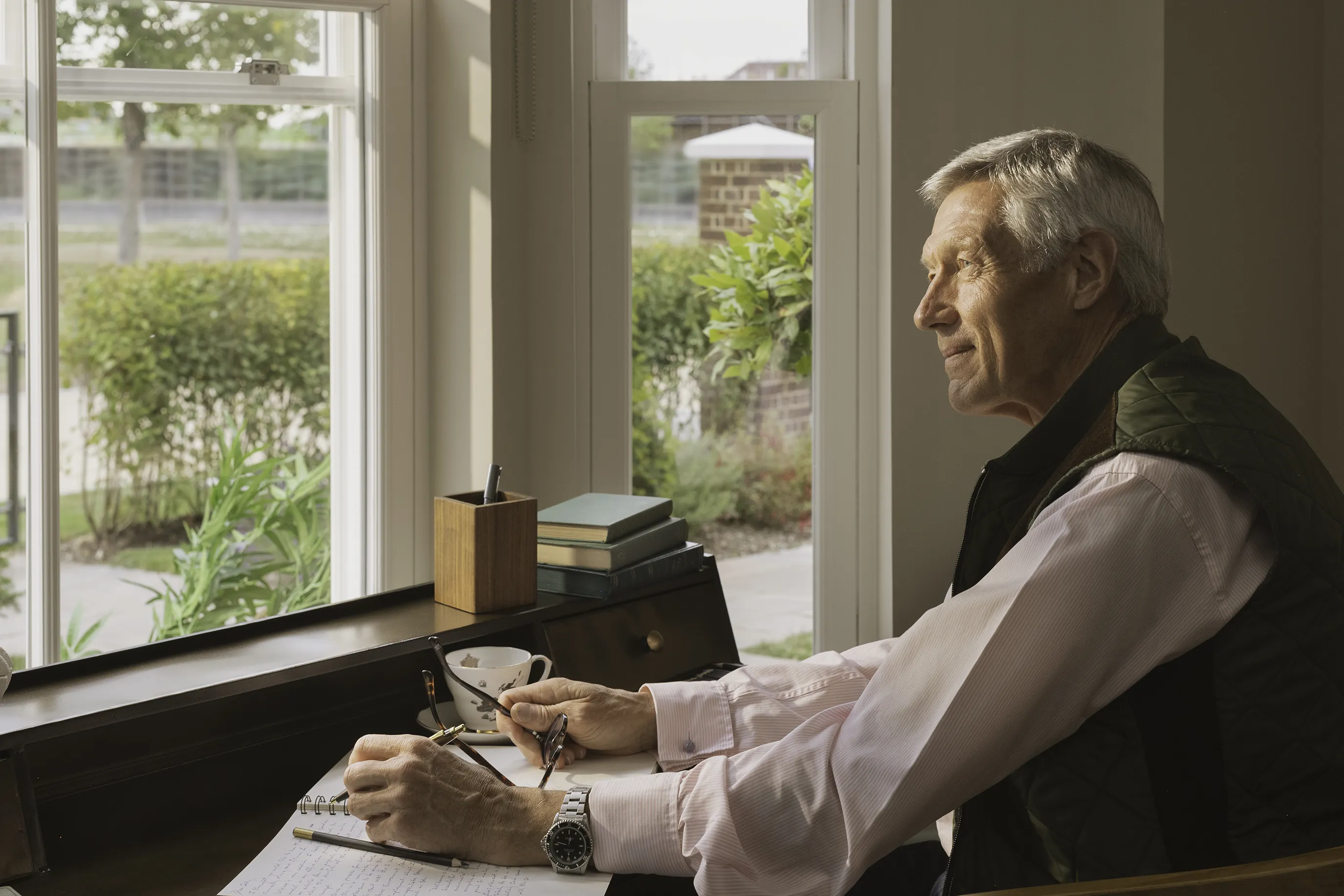
There’s more admin than you expect
Moving day isn’t quite the finish line - there are still practical details to organise.
Particularly in a new home, you’re often starting fresh:
Utilities (energy, water, council tax)
Broadband and connectivity
Address registrations and deliveries
Practical tips to stay ahead:
Arrange broadband as early as possible - installation can take time
Find and photograph your meter readings on day one
Keep a simple checklist of services to set up
It’s not the most exciting part of moving - but getting it sorted early makes everything feel settled much
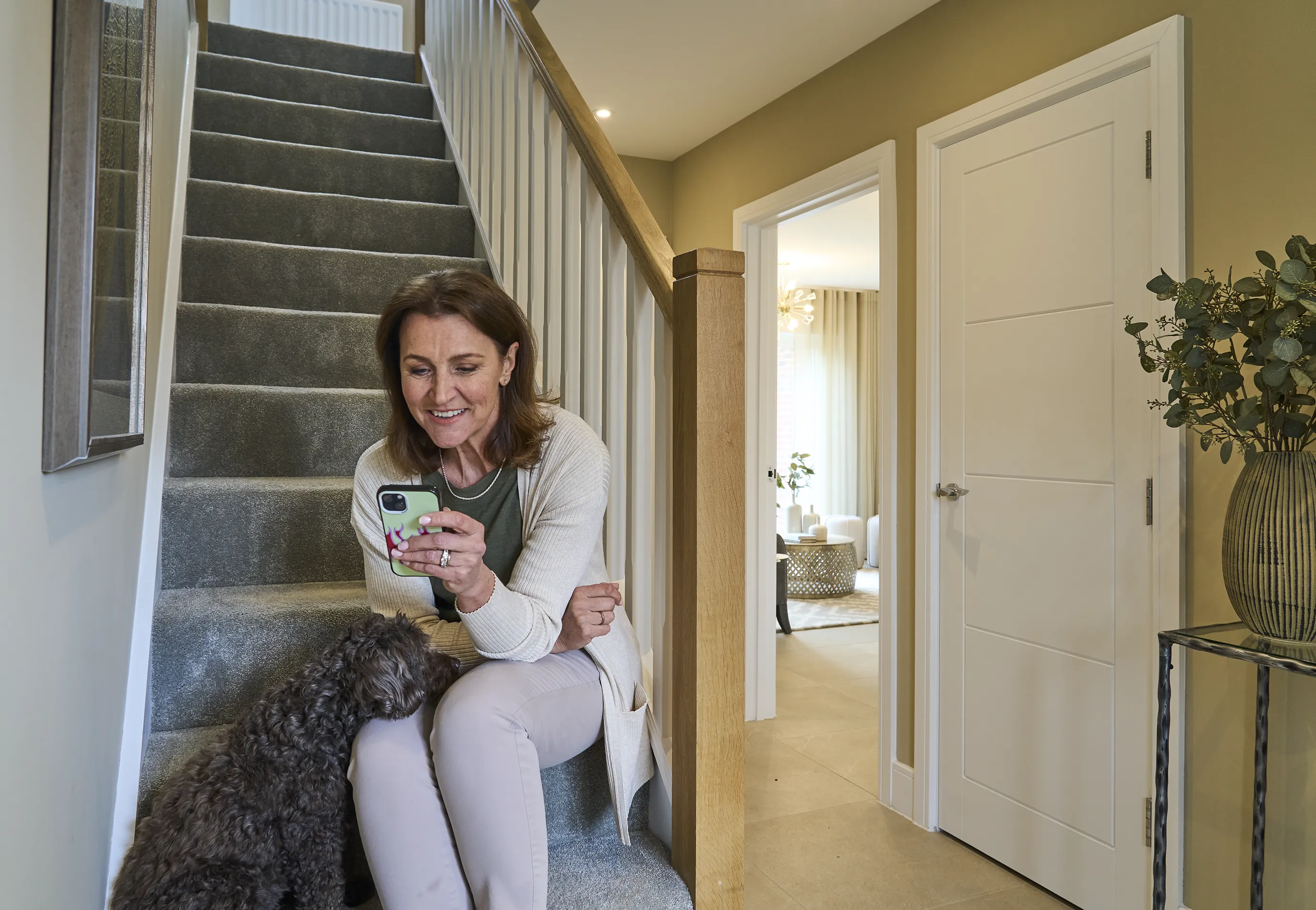
There will be a few unexpected costs
Even with careful planning, moving often comes with small additional expenses.
These can include:
Extra packing materials or last-minute supplies
Utility connection fees
Additional moving or storage costs
A simple way to manage this: Set aside a small contingency budget - even a modest buffer can make these surprises feel manageable rather than stressful.
You’ll learn your home by living in it
No matter how well you’ve planned, the reality of living in a home always reveals new insights.
You’ll discover:
Where the light is best at different times of day
How you naturally use each space
What works - and what could work even better
Practical tip:
Give yourself time before making bigger changes - many experts recommend living in your home for a period before undertaking major alterations.
This ensures your decisions are based on real experience, not assumptions.
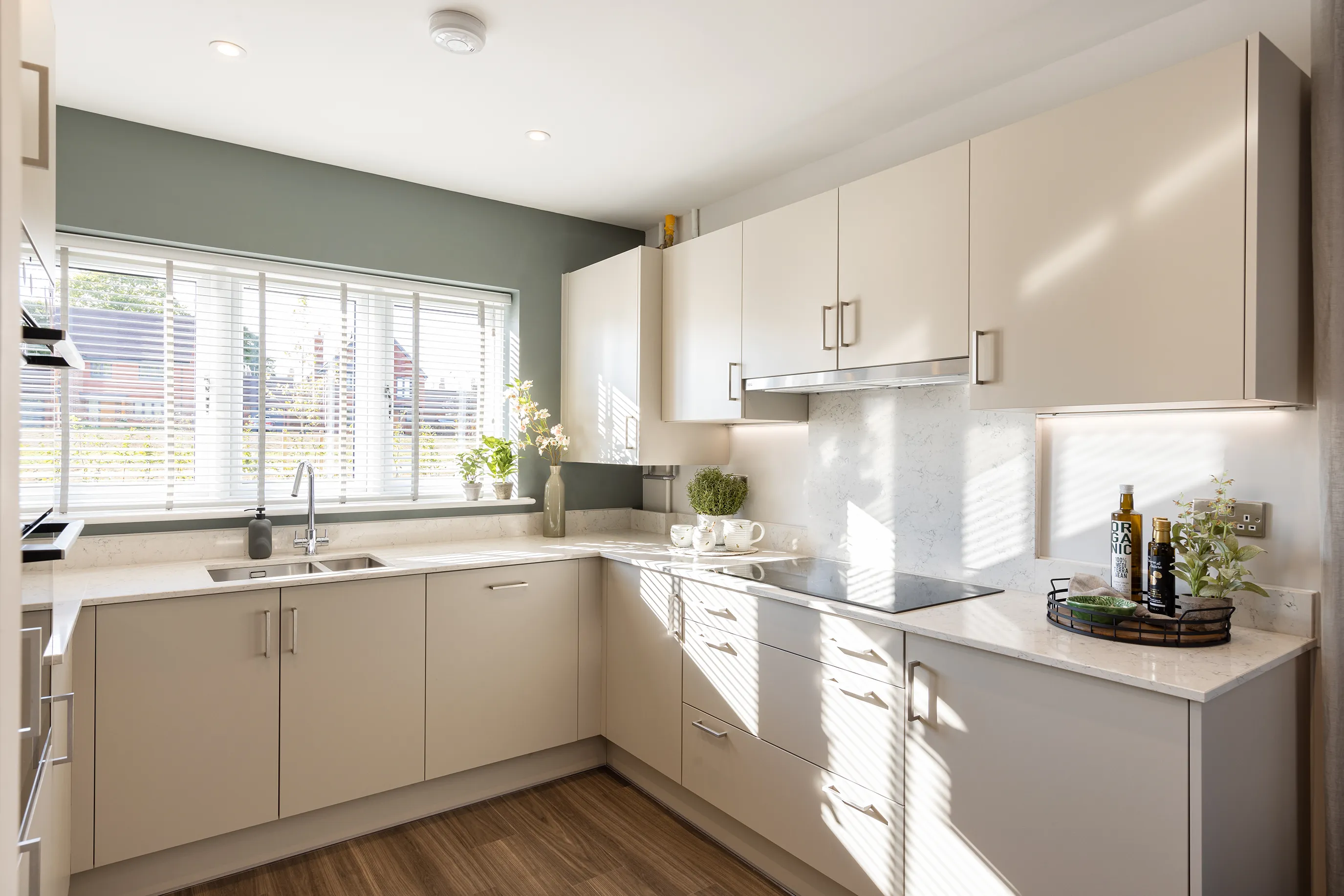
The surroundings matter just as much
A home isn’t just what’s within your walls - it’s the environment around it.
Taking time to explore your new area makes a real difference.
Simple ways to feel connected sooner:
Take a walk around the neighbourhood in your first week
Find your local go-to (coffee shop, green space, shop)
Introduce yourself to neighbours where possible
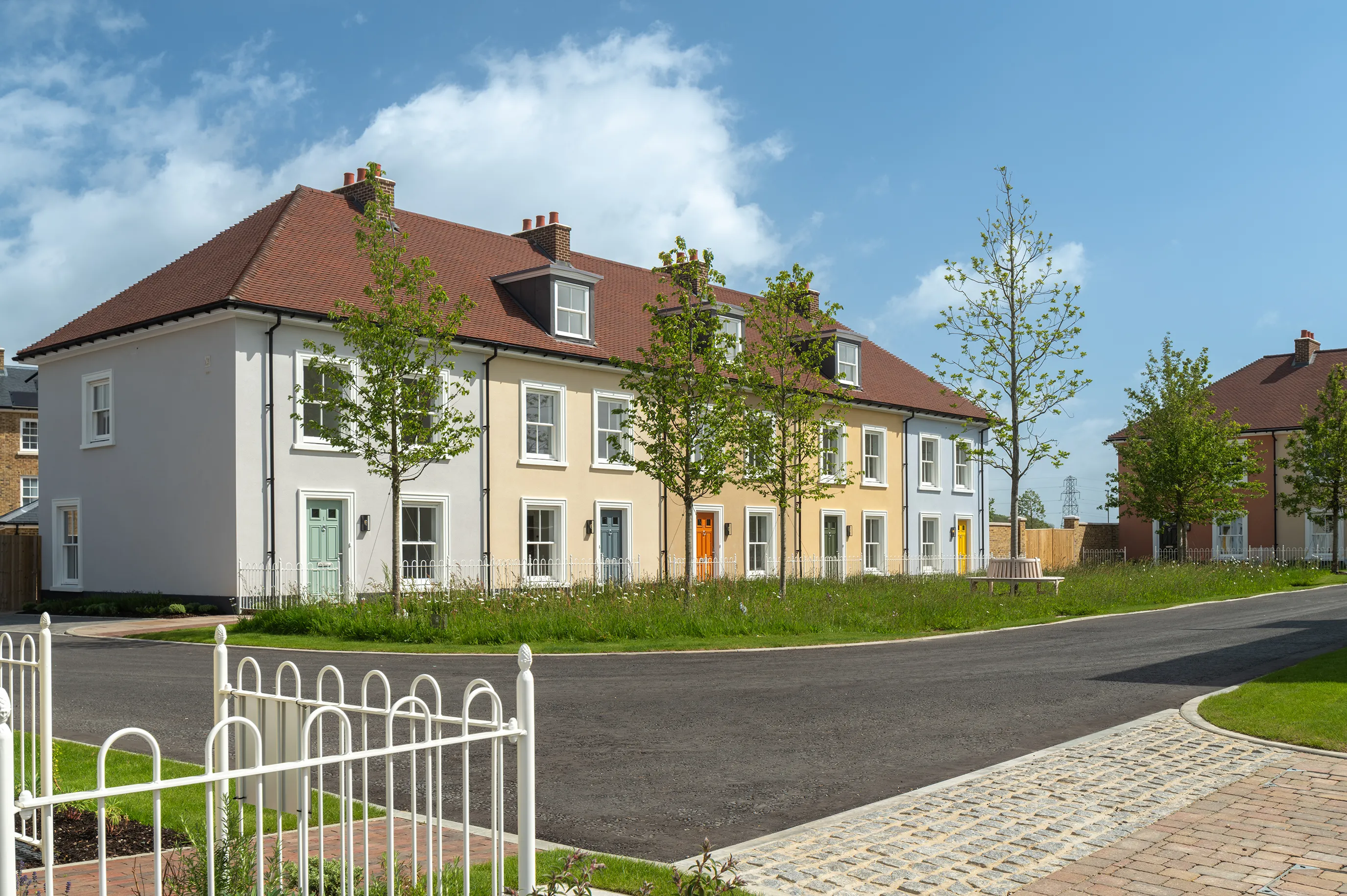
Our developments are designed to feel like part of something larger - a thoughtfully considered place, not just a collection of homes.
The best part happens gradually
No one really tells you this - the most rewarding part isn’t the move itself, it’s everything that follows.
It’s:
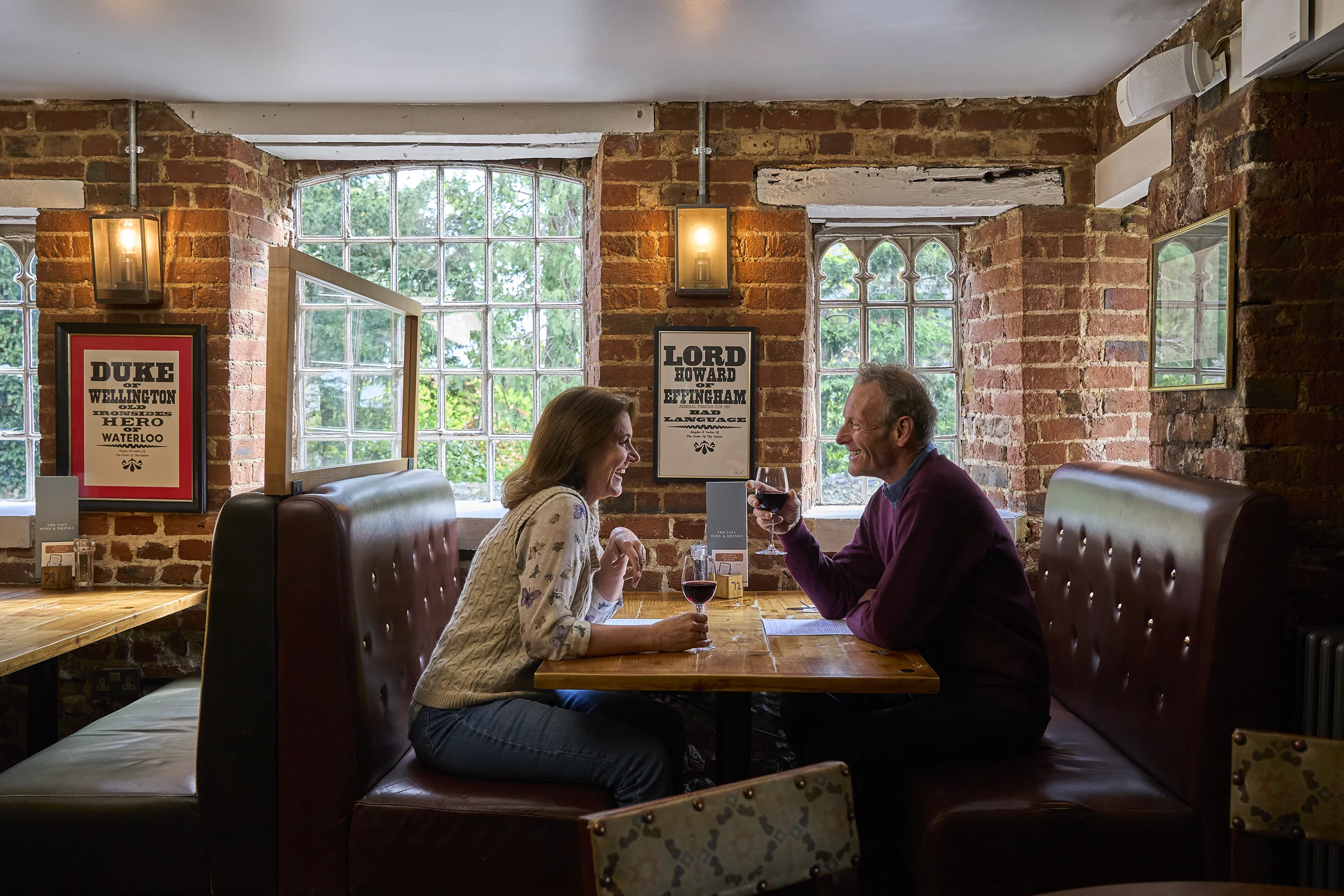
The first relaxed evening when everything starts to feel familiar
The routines that fall into place naturally
The quiet sense of belonging that builds over time
Before long, the unfamiliar becomes second nature.
And without realising it, your new house becomes home.
A considered start to something lasting
Moving into a new home is a process - one that includes both exciting moments and practical realities.
But with the right foundations, those early adjustments quickly give way to something more meaningful.
We believe a home should do more than look beautiful on day one. It should support your life, evolve with you, and feel effortless to live in. Because ultimately, it’s not just about moving in - it’s about feeling at home for years to come.
If you’re considering your next move, get in touch to visit our available homes ready to move into.

Our latest posts


Stay connected. Sign up to our newsletter